Araghchi at Oman’s National Day in Tehran: Oman not merely a neighbor, but friend, brotherly nation

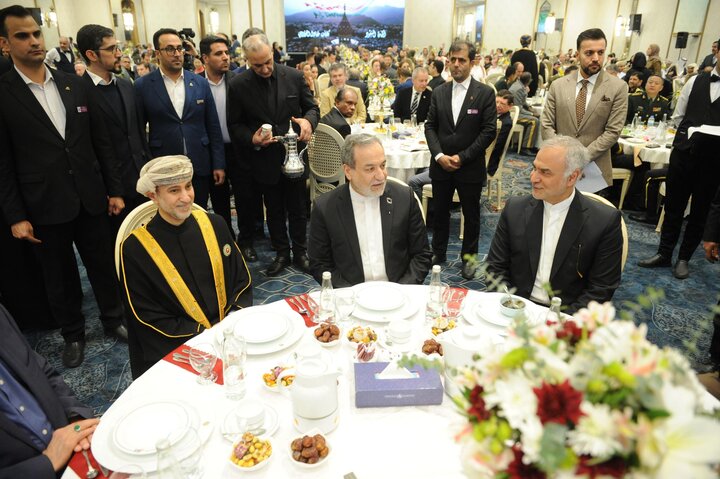
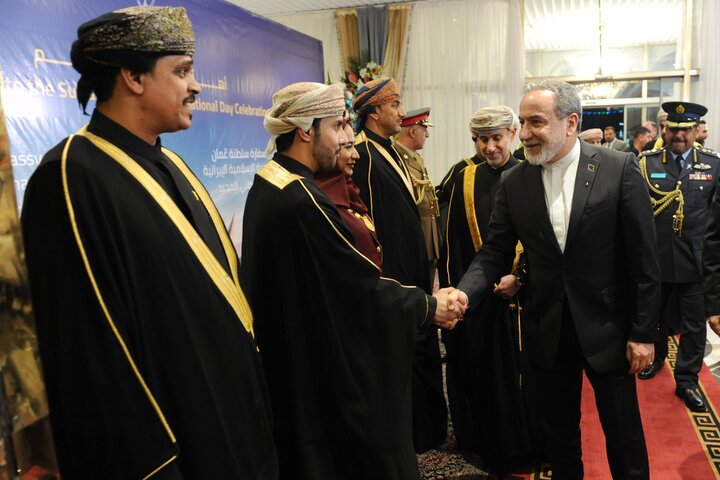
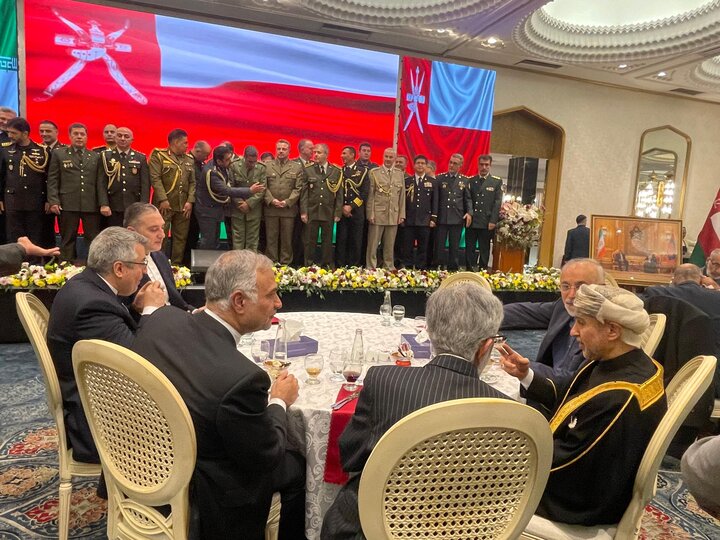
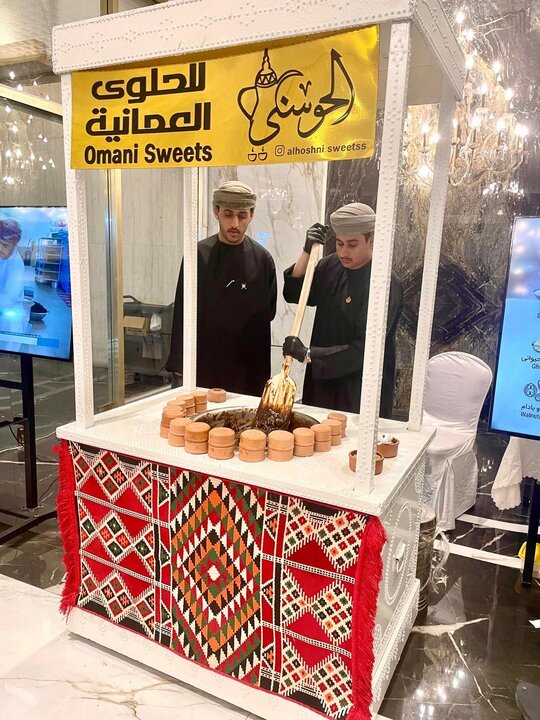
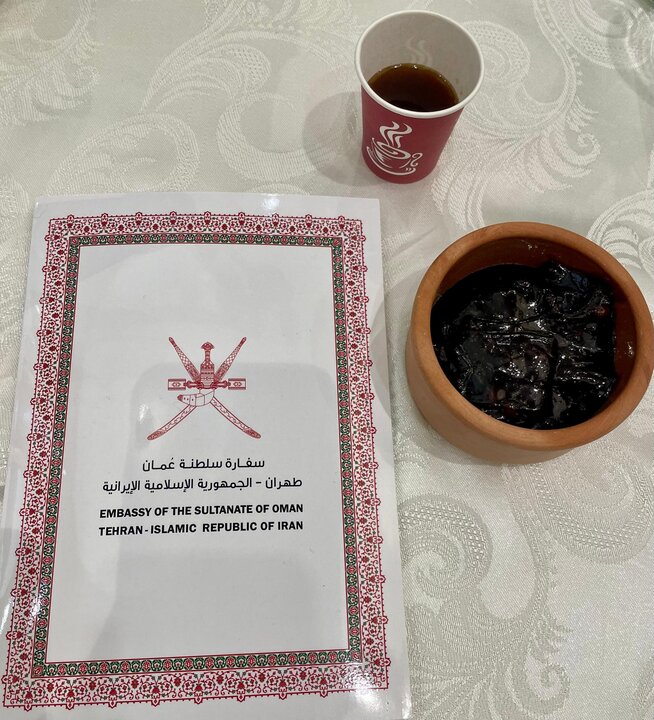
TEHRAN — The Omani Embassy in Tehran organized and hosted a commemorative reception at Esteghlal Hotel in Tehran on the evening of Saturday, November 21, to mark Oman’s National Day. The event brought together a distinguished group of officials and authorities from Iran—most notably Foreign Minister Seyyed Abbas Araghchi—alongside ambassadors, diplomats, and members of foreign delegations resident in Tehran.
Far from a routine diplomatic ritual, the gathering reflected the special standing the Sultanate enjoys in Tehran and affirmed a relationship built on trust, discretion, and constructive engagement.
At the outset of the ceremony, H.E. Mr. Yarub Bin Qahtan bin Nasser Al Busaidi, Ambassador of the Sultanate of Oman in Tehran, welcomed guests to the Mission’s celebration of Oman’s Glorious National Day, describing it as an occasion to reflect on Oman’s history and renew pride in its national journey. He said the day commemorates more than a national occasion: it celebrates a nation that forged unity, safeguarded sovereignty, and maintained a distinguished regional and international presence. On 20 November 1744, founding Imam Sayyid Ahmed bin Said Albusaidi laid the foundations of the Albusaidi State and united Oman under one banner, establishing national unity and sovereignty. Successive generations of the Albusaidi dynasty upheld leadership and development; today the journey continues under Sultan Haitham bin Tarik, inspired by heritage and Oman Vision 2040 toward sustainable growth and prosperity.
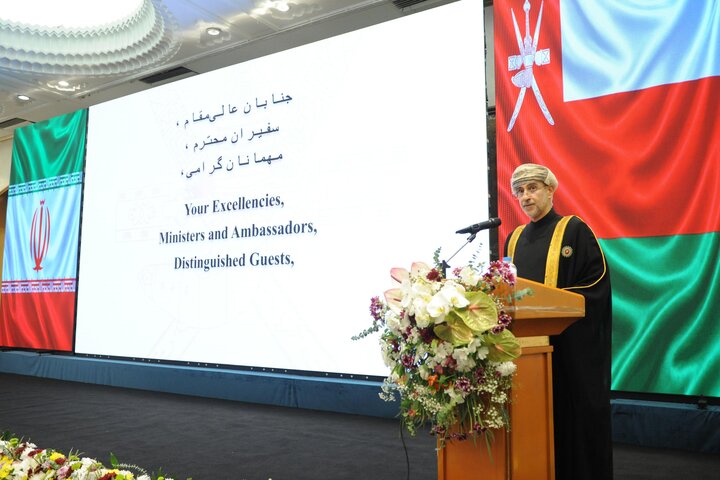
In a world of complex crises, Oman believes dialogue is essential to building trust and overcoming differences, and that peaceful settlement is fundamental to peace and stability. Oman pursues a balanced foreign policy based on respect for sovereignty and independence, non-interference, and adherence to the UN Charter and international law. It stresses containing regional escalation, safeguarding states and civilians, and protecting freedom of navigation under international law and UNCLOS, while considering the interests of all countries that depend on vital maritime corridors.
On Palestine, the Ambassador said a just and lasting peace requires restoring the legitimate rights of the Palestinian people and ending their suffering through the liberation of their territories from occupation and the establishment of an independent State on the 4 June 1967 borders, in accordance with Security Council resolutions and the two-State solution. Oman welcomes the positions of countries that have recognized the State of Palestine, appreciates their support for the two-State solution, and values peaceful efforts toward this objective. Oman also reaffirms the importance of the UN, especially the Security Council, fulfilling its responsibilities for international peace and security and strengthening confidence in the international system through respect for international law and its consistent application to all.
He noted that shared global challenges require international cooperation founded on justice, responsibility, and respect for human dignity. In this spirit, Oman launched the Muscat Plan of Action on 11 June 2025 at UN Headquarters in New York, inaugurated by the UN Secretary-General and attended by a broad range of international participants. The Plan seeks to counter hate speech and prevent genocide, atrocity crimes, and incitement to such crimes, emphasizing prevention, a culture of tolerance and peaceful coexistence, and partnerships with the UN and the wider international community.
On Oman Vision 2040, he said Oman continues to make progress: nine indicators have met their targets under the 2030 Sustainable Development Goals; sovereign credit ratings have been upgraded to investment grade by all three major international agencies with stable outlooks, significant progress from below-investment-grade ratings in 2020; and foreign direct investment stock rose to OMR 30.9 billion in 2025 from OMR 14.25 billion in 2020. These developments reflect improved economic and financial performance and continued progress in the legislative and investment environment.
Bilateral Oman-Iran relations, he said, rest on firmly established principles of good-neighborliness, Islamic brotherhood, social ties, constructive cooperation, and mutual respect. Despite regional challenges, these relations have maintained stability through sustained constructive cooperation. Oman’s response to the war launched against Iran on 28 February 2026 was swift, clear, and decisive: the Omani Ministry of Foreign Affairs statement described the war as a violation of international law and a threat to regional security and stability and called for its immediate cessation. Oman expressed profound sorrow and regret over the loss of innocent lives in the attack on the Minab school and the tragic consequences of the war. From the outset, Oman engaged with Iran and demonstrated good faith in efforts to restore smooth maritime navigation through the Strait of Hormuz, and it will continue these efforts in accordance with international law and UNCLOS. Leadership communications continued, including the 12 October telephone call between President Masoud Pezeshkian and Sultan Haitham, in addition to ongoing calls between Sayyid Badr bin Hamad Al Busaidi and Dr. Abbas Araghchi. Oman remains keen to strengthen cooperation across various fields in service of mutual interests. He concluded by thanking guests and Iran’s Ministry of Foreign Affairs and relevant institutions for their cooperation and support.
Opening Strait of Hormuz not difficult if US accepts Iran’s condition: Araghchi
Addressing the ceremony, Iranian foreign minister stressed: “Reopening the Strait of Hormuz is not difficult, and it is enough for America to accept Iran’s reasonable conditions consistent with international law.”
Seyyed Abbas Araghchi said: “Iran-Oman relations have taken shape under conditions of peace and stability in the region. For us, Oman is not merely a neighboring country but a friend and brotherly country, and our relations are based on mutual respect, interests, and cooperation.”
He added: “In our view, the Omani government is a responsible government with clear goals for peace and security, and for progress and development in the Persian Gulf region and in West Asia.”
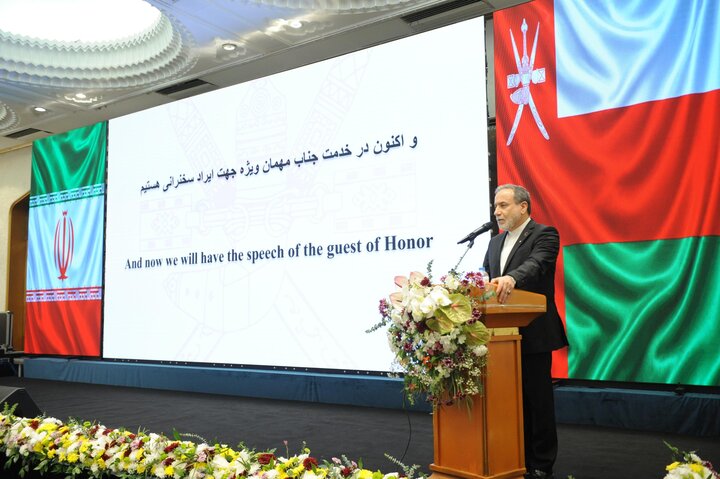
Araghchi stated: “We have permanent consultations with Oman on regional issues, especially the important issue that requires discussion of new security structures in the Persian Gulf region.”
He emphasized: “The great lesson of past wars is that regional security must be endogenous, and talks in this regard have begun.”
Araghchi continued: “Reopening the Strait of Hormuz is not difficult, and it is enough for America to accept Iran’s reasonable conditions consistent with international law. There is no solution to the current situation unless America admits its mistakes and implements its previous commitments.”
The indispensable mediator: Oman and the path to peace
Yet the significance of Oman’s role extends far beyond its bilateral friendship with Iran. The National Day celebration in Tehran coincided with—and served as a backdrop to—Oman’s most consequential diplomatic contribution: its sustained, credible, and discreet mediation between Iran and the United States.
A friend in deed
In a region often defined by rivalry and suspicion, the Iran-Oman partnership stands as a beacon of what is possible. Oman has proven itself to be more than a friend in word; it is a friend in deed—a responsible state with clear objectives for peace, as Foreign Minister Araghchi aptly put it. It has used its credibility not for narrow advantage, but to bring adversaries to the table and to keep the flame of diplomacy alive when other paths seemed closed.
As Oman celebrates its national day, the tributes from Tehran are not merely diplomatic niceties. They are a recognition of a small nation that has chosen to be a quiet architect of peace—and in doing so, has earned the profound respect and gratitude of its neighbors. The friendship between Iran and Oman is not simply a bilateral asset; it is a regional public good, and the world would do well to recognize and support it.
Leave a Comment